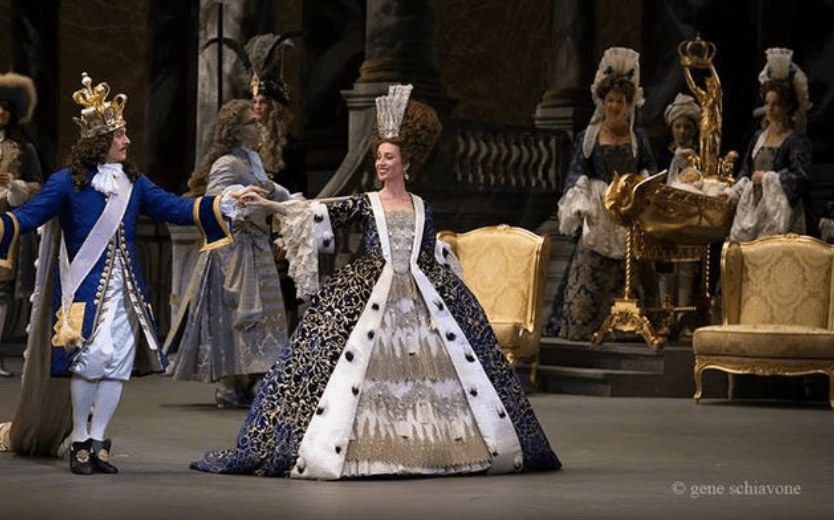
• Victor Barbee and Tatiana Ratmansky. © Gene Schiavone
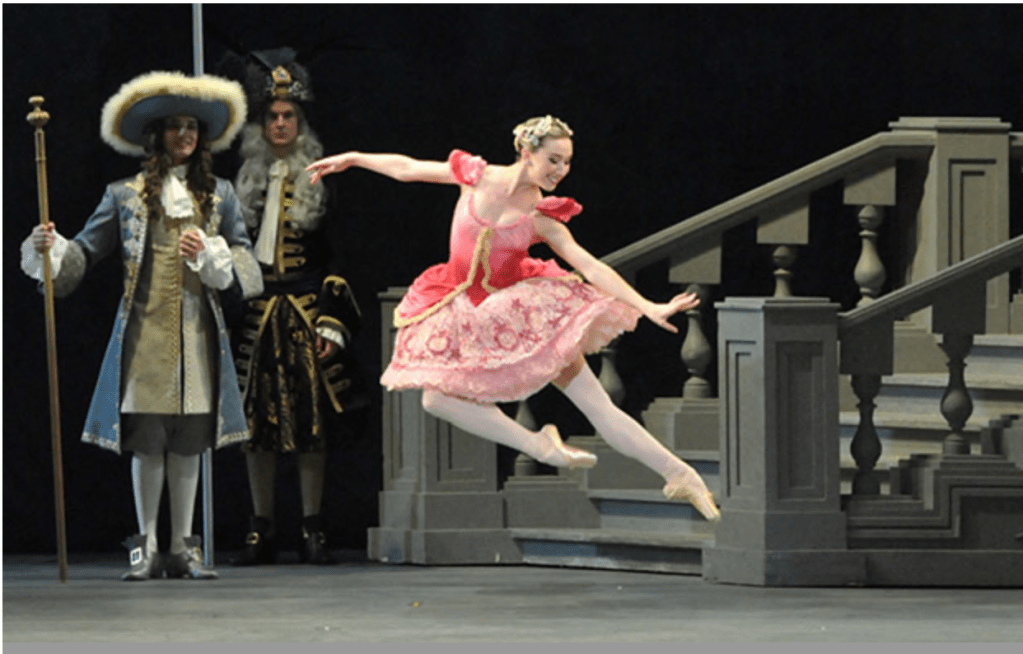
    Isabella Boylston. © John Grigaitis. 

    I saw Ratmansky’s Sleeping Beauty in Orange County, New York, and Washington D. C. Each time, I found it engaging, delightful, and beautiful. And each time, even though it is a long ballet, it seemed to end too soon.

    This essay (published online by Oxford Handbooks in 2017) shows how Ratmansky made the characters and story come alive in ways that some other productions do not. It also argues that Ratmansky effectively uses the tension and release in Tchaikovsky’s music to move the action forward, and makes maximum use of seeming conflicts between choreography and music during musical codettas.

    Some names and ideas to note: Stanley Hall, Tatiana Ratmansky, Isabelle Boylston, Catalabutte, felicitous family life, codetta, multi-generational cast.

    Please note: The essay is 17 pages long, but this digital file, which I received from the press, repeats several pages’ worth of material at the end. You can stop reading after the endnotes have finished (or before!).
  • I began to notice how widely Giselle had traveled in the first decades of its existence, so I decided to look for specifics. (There is no Loewenberg catalog for ballets; there should be!) Much can be learned from this exercise. Most obvious finding: Giselle never left the repertory during the period in question.

  • I love dance, music, bodies in motion. Here are some of my publications. — Marian Smith

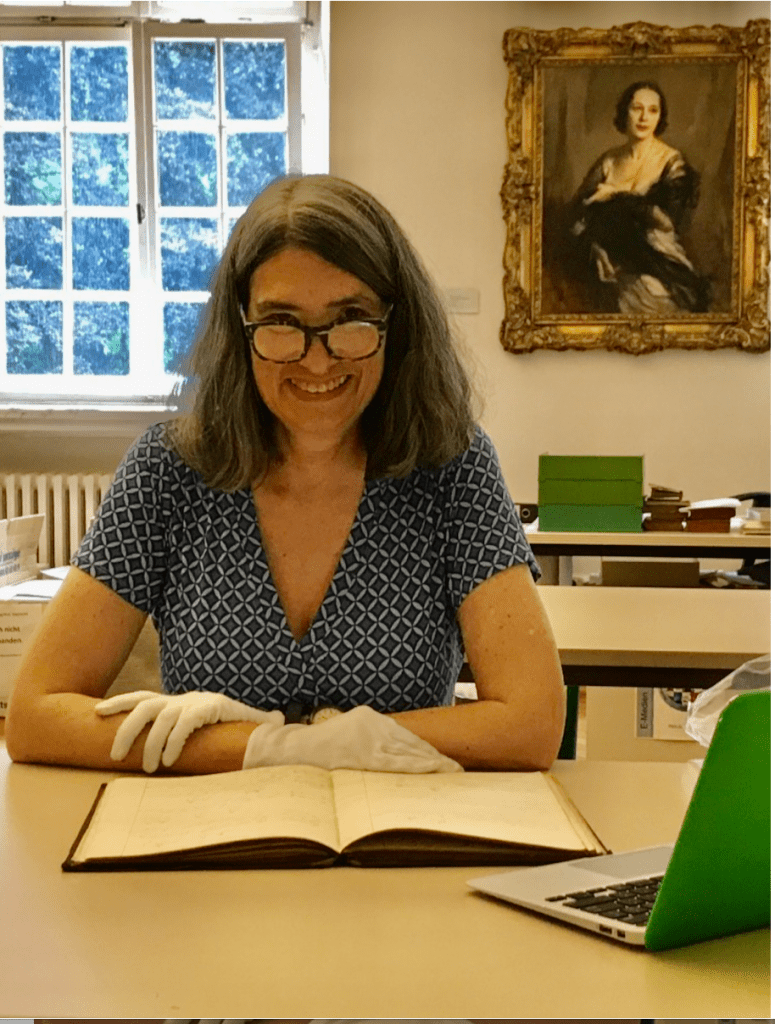
    (photo taken at the Theater Studies Collection at Wahn Castle, University of Köln, 2019)

  • Published in Ballet Review in 2019, this article examines Balanchine’s tenure at the Met from 1935 to 1938. My sources include Lincoln Kirstein’s diary, the Met scrapbook, a damning letter by Paul Cravath, and interviews made in the 1970s with dancers in Balanchine’s company. I argue that the Met had one set of goals for Balanchine’s work there and Kirstein had another. I also show how Balanchine’s “Johnny One-Note” number in the Broadway show “Babes in Arms” (1937) and its text (by Balanchine’s pal Larry Hart) can be read as revenge for the Met’s pearl-clutching reaction to Balanchine’s Aida choreography.

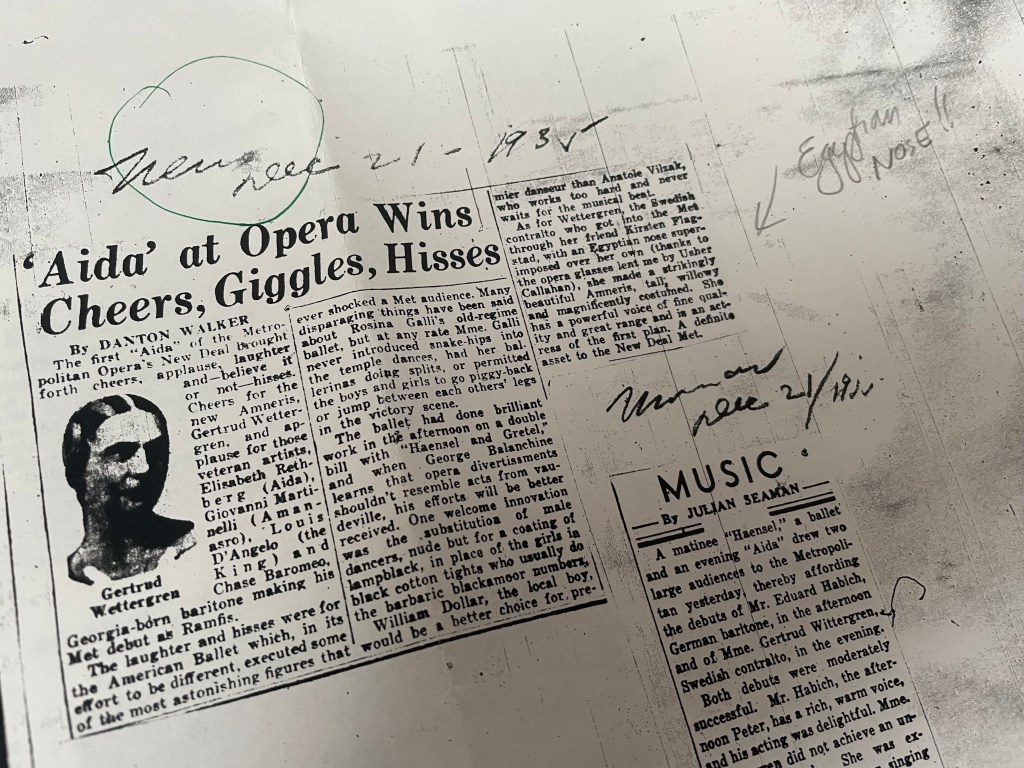
    In Aida, “…The American Ballet…executed some of the most astonishing figures that ever shocked a Met audience.” (And Wettergren wore an “Egyptian nose”!) Danton Walker, New York Daily News, Met archive

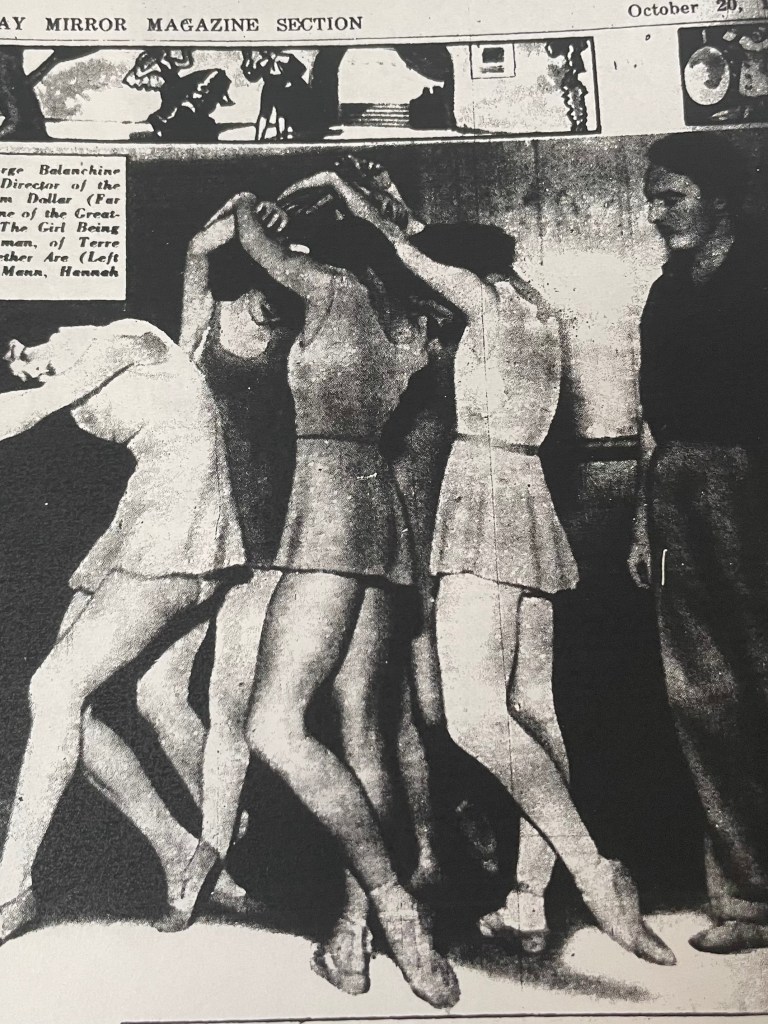
    Unidentified ballet by Balanchine, photo published in an Indiana paper. Met archives

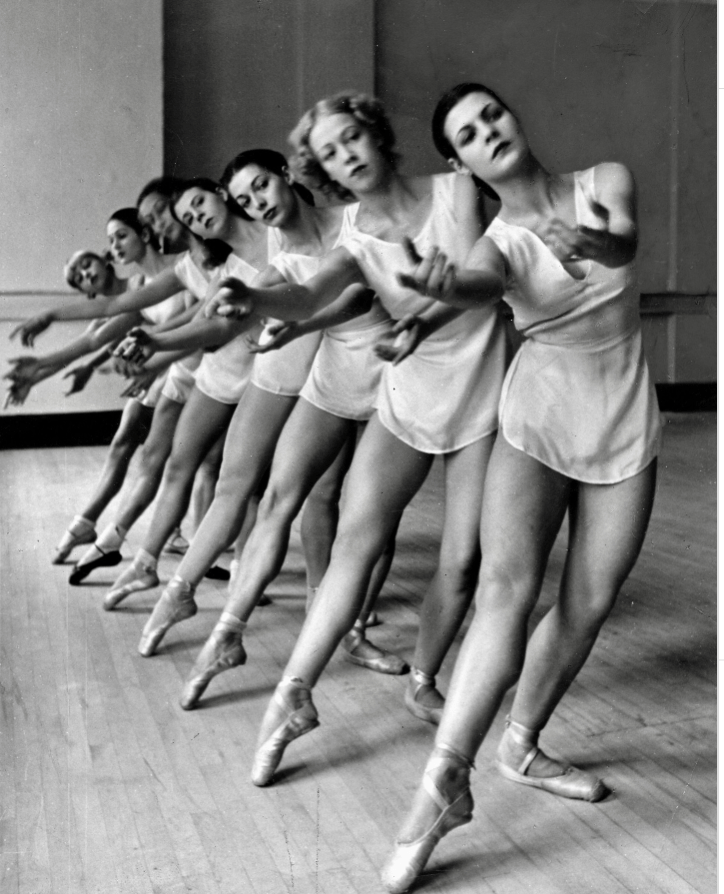
    Dancers at the School of American Ballet, 1936. Photo by Alfred Eisenstädt for LIFE Magazine.

  • This is a chapter from the volume Rethinking the Sylph, ed. Lynn Garafola (Wesleyan University Press, 1997). Here, Lisa and I argue that national dance (now known more often as ‘character dance’) played a vital role in 19th-century ballet as one of three movement styles that dancers performed regularly, the other two being mime and classical dance. The function of character dance went far beyond simply providing “local color”.